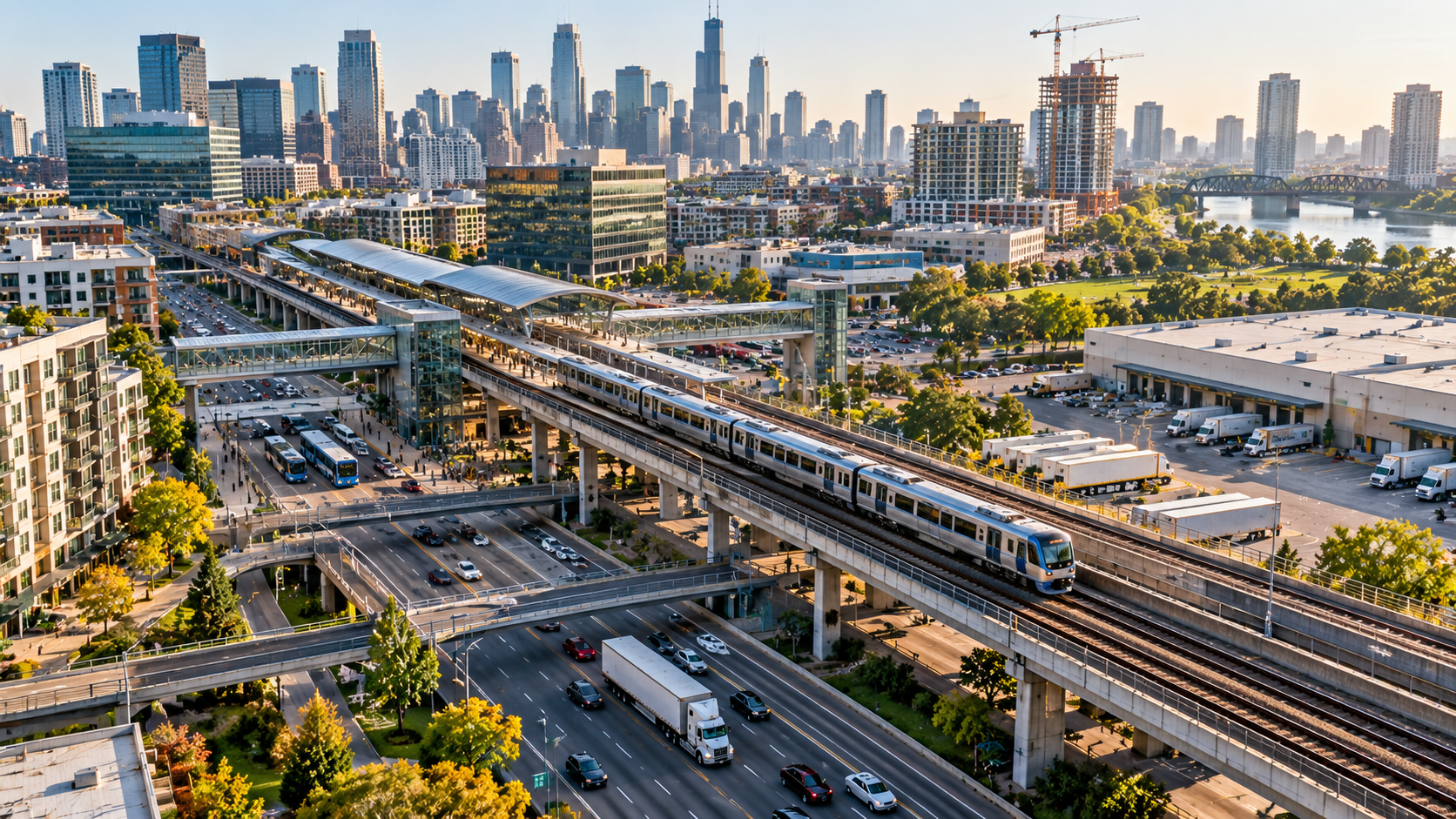
Office leases are shrinking. Here is where the space is going

Companies signing smaller leases are concentrating workers in collaborative spaces and leaving less room for assigned desks. Building owners are responding with shared meeting rooms and flexible suites.
What arrives with a large employer
A warehouse employing several hundred people brings shift work, contractors, and suppliers. Some of those jobs go to nearby residents, while others draw commuters from across the region.
The mix matters. Local hiring tends to keep more wages in the neighborhood, while long commutes add pressure to roads and transit.
Roads, trucks, and daily routines
Freight traffic is often the first change residents notice. Truck routes, delivery windows, and new traffic signals can reshape school runs and morning commutes.
The question is not only how many jobs a facility creates, but who can reach them and what the trip costs.
The effect on rents and home prices
Steady employment can raise demand for nearby housing. In areas with limited supply, that demand often shows up as higher rents before it shows up in new construction.
What it means for local businesses
Restaurants, gas stations, and service shops near a major employer may see more customers during shift changes. Retailers farther away may see little difference.
What to watch next
Zoning decisions, road agreements, and local hiring commitments usually come before construction begins. Those early documents are the clearest guide to how a project will affect the area around it.

Patricia runs the business and economy desk from Reno. Her reporting career includes more than a decade covering business, finance, and labor at regional daily newspapers and a national business publication. She is the editor most likely to reach for the underlying numbers on a story and the one who insists on distinguishing what a company has actually announced from what its press release wants readers to think it announced.